How to Verify a Cash Buyer for a Wholesale Deal: Proof of Funds, Buy Boxes, and Red Flags
A cash buyer is not verified because they say they can close. Learn how wholesalers can review proof of funds, buyer identity, buy-box fit, relevant activity, and closing readiness before accepting an offer on a wholesale deal.

Contents
A buyer is not qualified because they say, "I can close cash."
For a wholesaler, a real buyer has to clear five practical checks: the buyer or entity is identifiable, the deal fits their buy box, there is appropriate evidence of available funds, the buyer has a realistic closing path, and their behavior matches what they say.
That is how to verify a cash buyer for a wholesale deal.
No single document guarantees a closing. Proof of funds can be incomplete, a buyer can change their mind after inspection, and title or contract issues can stop an otherwise strong transaction. The goal is not to turn yourself into a bank or a lawyer. The goal is to get the right questions answered before you tell a seller the deal is done.
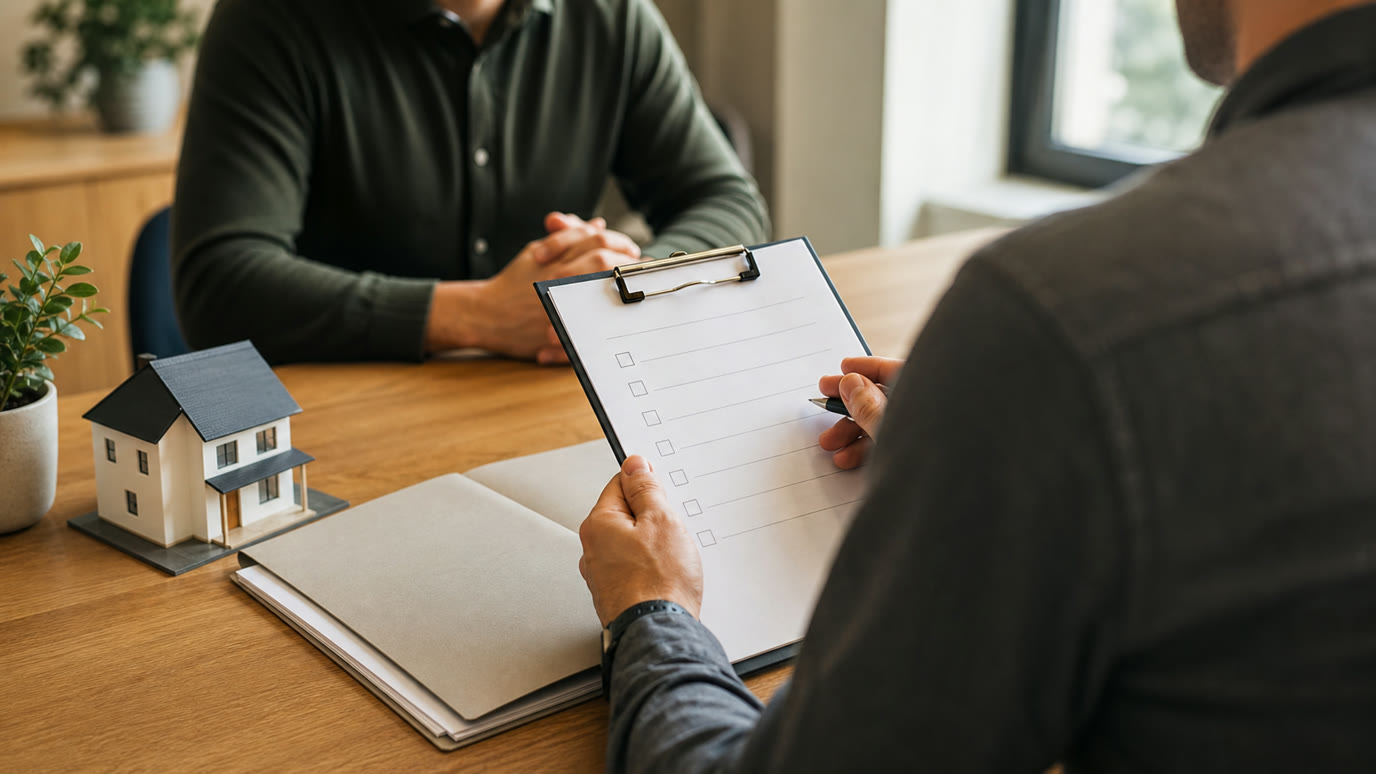
The Short Version: The Cash Buyer Verification Checklist
Before you accept an offer or stop marketing a wholesale deal, check:
- Identity and entity: Does the buyer's name or purchasing entity match the offer and the person you are speaking with?
- Buy-box fit: Do location, price, property type, condition, and strategy match what the buyer actually buys?
- Proof of funds: Has the buyer provided appropriate evidence of available funds through a secure process that your closing professional can work with?
- Closing readiness: Can the buyer explain the proposed timeline, earnest-money process, inspection needs, and closing contact?
- Behavior: Do they respond, inspect, negotiate on the actual facts, and follow through on the steps they commit to?
If one of these is weak, do not panic. Ask a better question, keep qualified backup buyers engaged, and get the title company or closing attorney involved early.
What Does "Verified Cash Buyer" Actually Mean?
In wholesaling, "verified" gets used too loosely.
It should not mean that someone filled out a form, joined a Facebook group, replied to a blast, or said they have a private lender. Those can be useful starting points. They are not evidence that a buyer can close this deal.
A practical cash-buyer verification process has two parts:
| Buyer-fit signals | Transaction-readiness signals |
|---|---|
| Has bought similar properties or operates in the area | Can provide appropriate funds documentation for the transaction |
| Has a clear buy box and strategy | Can identify the purchasing entity and decision-maker |
| Understands the property's condition and risk | Can commit to an inspection and closing timeline |
| Engages with the actual deal details | Can work through the title company or closing attorney's process |
The first column helps you decide who to contact first. The second helps you decide whether a current offer deserves your confidence.
Rehouzd can help surface buyer activity and buyer-fit signals around a property. It does not replace transaction-specific proof-of-funds review, legal advice, title work, or a closing professional's settlement process.
1. Confirm Who Is Actually Buying the Property
Start with a simple question:
Who will be on the purchase and closing documents?
The answer may be an individual, an LLC, a partnership, trust, or another entity. That is not automatically a problem. The important thing is that the name or entity is consistent and the person you are speaking with can clearly explain their role.
Ask for the information your title company or closing attorney needs for the proposed transaction. If the buyer says, "My partner will close," "We use a different LLC every time," or "I will send the name later," treat that as a reason to slow down and clarify, not necessarily a reason to accuse them of anything.
You are looking for a coherent answer to three questions:
- Who is making the buying decision?
- Which person or entity is expected to acquire the property?
- Who will coordinate with the title company or closing attorney?
If names change, document the explanation and ask the closing professional what needs to be updated. Do not assume an email signature or a social profile settles the issue.
2. Confirm the Buyer Actually Fits the Deal
The buyer with money is not always the buyer for your property.
A cash buyer who only buys light cosmetic flips may pass on a heavy-rehab rental. A landlord who targets low-basis cash flow may not want a thin-margin retail neighborhood deal. A buyer who has funds but no tolerance for tenant issues, foundation work, or a short inspection window can still create a failed closing.
Before accepting an offer, confirm the buyer's buy box:
- target ZIP codes or neighborhoods
- price range and total all-in basis
- property type, bedroom-bath range, and size
- condition tolerance and rehab appetite
- strategy: flip, buy-and-hold, BRRRR, wholetail, or another approach
- preferred closing and inspection timeline
This is why a relevant buyer list is more valuable than a large buyer list. How to Find Cash Buyers in Memphis TN explains how to begin with actual activity and strategy fit instead of collecting names at random.
3. Ask for Proof of Funds the Right Way
Cash buyer proof of funds is evidence that a buyer appears to have funds available for the proposed purchase. It is not a universal form and it is not a guarantee.
The exact documentation your transaction needs depends on the deal, the buyer, the contract, and the title company or closing attorney. A buyer may provide a current financial-institution document or a proof-of-funds letter. Rather than relying on a generic internet checklist, ask your closing professional what is appropriate for the purchase amount and settlement process.
When you review proof of funds, focus on the transaction-level questions:
- Does it appear to support the required purchase amount?
- Is the buyer or purchasing entity consistent with the offer and closing plan?
- Is the document current enough for the transaction, based on the closing professional's guidance?
- Is there a clear explanation if the person providing the funds is different from the purchasing entity?
- Has the buyer provided the materials through a secure channel?
Do not request or retain more sensitive financial information than you need. Use a secure method agreed with the buyer and closing professional, and avoid putting private financial documents into casual group texts or broadly shared folders.
What Proof of Funds Does Not Tell You
Proof of funds does not prove that:
- the buyer will like the property after inspection
- the buyer's funds will remain available through closing
- the title is clear or the contract is assignable
- the buyer accepts your ARV, rehab, or asking-price assumptions
- every person involved in the deal agrees to the final terms
It is an important check. It is not the finish line.
4. Verify the Closing Path Before You Stop Marketing
Serious buyers can normally explain how they intend to move from a deal package to closing.
You do not need to interrogate them. You do need practical answers:
- When can they inspect or confirm their due diligence?
- What earnest-money or deposit step does the contract require?
- Which title company or closing attorney will they use, if that has been selected?
- Who is the operational point of contact for the buyer?
- What conditions have to be resolved before they can close?
Send the relevant agreements and deal details to the closing professional early. They can identify settlement requirements, title issues, and document needs before the timeline gets tight.
This is also where you protect against preventable payment fraud. The Consumer Financial Protection Bureau warns that scammers can pose as real-estate or settlement agents and send last-minute changes to wiring instructions. Confirm any change in payment or settlement instructions using a trusted, independently verified contact method, not by replying to a suspicious email. CFPB: Review documents before closing
5. Watch for Follow-Through, Not Just Confidence
The best buyer signal is behavior over time.
A buyer who answers quickly, asks informed questions, reviews the package, schedules an inspection, communicates realistic concerns, and follows the agreed steps is more valuable than someone who sends a high verbal offer and disappears for three days.
Track simple buyer behavior in your process:
- Did they view the deal package?
- Did they request a walkthrough or submit a written offer?
- Did they give feedback tied to the actual property?
- Did they send the information they promised?
- Did they close previous deals on the timeline they described, where that history is available to you?
This is how you turn a one-off buyer interaction into a healthier buyer list. Over time, you learn who responds, who inspects, who renegotiates responsibly, and who actually closes.
Cash Buyer Red Flags to Take Seriously
A red flag does not always mean fraud. It means you need more verification before committing your deal to that buyer.
| Red flag | Better next step |
|---|---|
| The buyer will not identify the purchasing entity or decision-maker | Ask who will be on the contract and have the closing professional confirm what they need. |
| Names on the offer, funds document, and closing plan do not line up | Pause and get a documented explanation before moving forward. |
| The buyer will not discuss their buy box or inspection timeline | Keep marketing to relevant backups; the fit may not be real. |
| The buyer promises to close but will not provide transaction-specific information | Ask the title company or closing attorney what is appropriate to proceed. |
| The buyer presses you to change wire instructions by email or text | Verify through a trusted phone number or official contact channel before acting. |
| The buyer has a strong offer but no questions about the property | Make sure they reviewed the package and understand the actual condition and terms. |
The right response to uncertainty is a cleaner process, not a public accusation or a rushed decision.
How Rehouzd Fits Into Buyer Verification
Buyer verification starts before proof of funds.
Rehouzd helps wholesalers begin with better buyer-fit context: property analysis, likely strategy fit, buyer activity, and matching around the deal. That can reduce the time you spend sending a rental to a flipper or a deep-rehab deal to a buyer who only wants cosmetic work.
Once a buyer is interested, the next steps remain human and transaction-specific:
- Confirm the buyer and entity.
- Verify fit against the actual deal.
- Coordinate appropriate proof of funds with the closing professional.
- Document the agreed next step.
- Keep qualified backup buyers warm until the transaction is truly secure.
This is the practical bridge between a buyer match and a completed deal. For the broader deal-marketing workflow, read How to Market a Wholesale Deal to Cash Buyers and Wholesale Dispo Software.
The Bottom Line
The best cash buyer is not the person who says yes fastest. It is the person whose identity, strategy, funding evidence, and closing path all make sense for the deal in front of them.
Start with a relevant buyer match. Confirm the details. Handle sensitive information carefully. Keep backup buyers engaged. And involve the title company or closing attorney before you assume a verbal offer is a closed deal.
That is how wholesalers protect the seller relationship, preserve their buyer list, and build a dispo process that closes more consistently.
Frequently Asked Questions
How do you verify a cash buyer for a wholesale deal?
Verify a cash buyer by confirming the buyer or entity is consistent across the offer and supporting documents, reviewing appropriate evidence of available funds, confirming the buyer's buy box fits the property, checking relevant purchase activity when available, and coordinating the closing requirements with a qualified title company or closing attorney. No single check guarantees a closing.
What counts as proof of funds for a cash buyer?
The appropriate proof depends on the transaction and closing professional. It may be a current financial-institution document or a proof-of-funds letter showing sufficient available funds for the deal. Ask the title company or closing attorney what they require, handle the document securely, and verify that the buyer or entity presented is consistent with the transaction documents.
Does proof of funds guarantee that a cash buyer will close?
No. Proof of funds is only one point-in-time indicator of available funds. It does not confirm that the buyer's strategy fits the deal, that the buyer will complete due diligence, that funds remain available, or that all title, contract, and closing conditions will be satisfied.
What are red flags when qualifying a cash buyer?
Red flags include inconsistent names or entities, reluctance to explain the funding or closing path, a buy box that does not match the property, pressure to change settlement instructions by email, and repeated promises to close without transaction-specific documentation or meaningful follow-through. Confirm concerns with your title company, closing attorney, and local counsel when appropriate.
Can an LLC be a cash buyer?
An entity can be the proposed purchaser, but the transaction documents, proof-of-funds materials, and closing instructions should make the buyer and funding relationship clear. Ask the title company or closing attorney what they require for that specific entity and transaction.
Should I accept the highest cash offer?
Not automatically. Compare the total offer with the buyer's fit, evidence of readiness, due-diligence plan, closing timeline, and follow-through. A slightly lower offer from a buyer who can execute may be more valuable than a high offer that is not supported by the actual process.
Do I need proof of funds before showing a wholesale deal?
Your process can vary by deal and market. It is reasonable to first confirm basic buyer fit, then request appropriate transaction-specific documentation before relying on an offer or removing qualified backup buyers from the process. Your title company, closing attorney, contract, and local law should guide the exact requirements.
Does Rehouzd verify proof of funds for every buyer?
Rehouzd helps wholesalers identify buyer activity and match deals to likely buyer fit. It does not replace the transaction-specific proof-of-funds, title, legal, or closing review that wholesalers and their closing professionals need to complete for an individual offer.
Ready to put this into practice?
Price the property, review repairs, and find active buyers.Get instant ARV estimates, AI-powered rehab costs, and access to verified cash buyers in your market.